Oracle Cloud is a comprehensive cloud computing service offered by Oracle Corporation that provides servers, storage, network, applications, and services through a global network of managed data centers. It is heavily recognized for its focus on enterprise applications, advanced AI workloads, and deep database performance.
Marketed as Oracle Cloud Infrastructure (OCI), it provides high-performance compute instances (including bare metal), scalable block storage, and low-latency networking optimized for large enterprise workloads.
Includes environments to build, deploy, and manage applications using tools like OCI Data Science, managed Kubernetes, and various developer services.
Industry-leading suite of enterprise applications including Oracle Fusion Cloud ERP, Supply Chain Management (SCM), Human Capital Management (HCM), and specialized industry applications.
Advanced database management options featuring the Autonomous Database, MySQL HeatWave, and OCI Database with PostgreSQL.

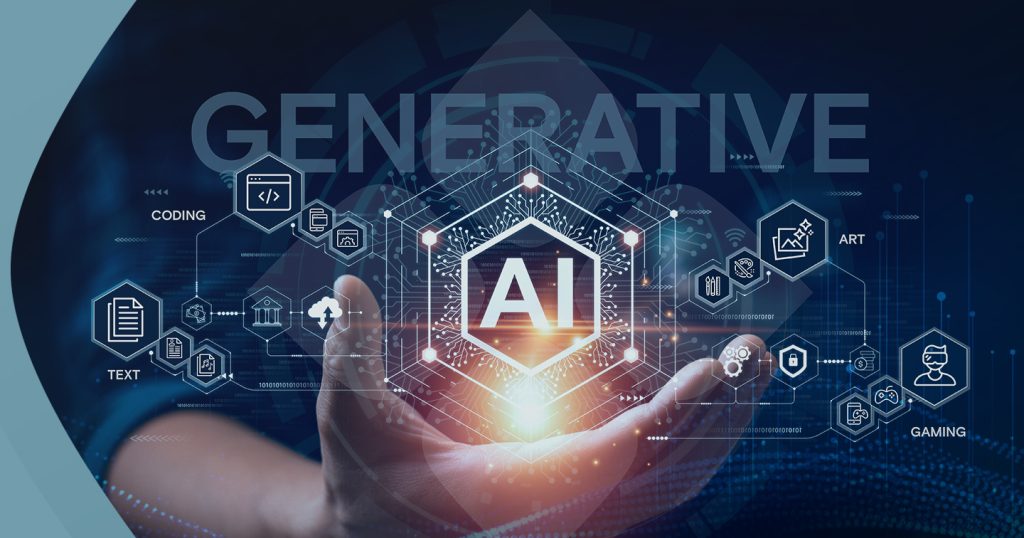
Oracle Cloud Infrastructure (OCI) Generative AI is a fully managed enterprise ecosystem designed to build, deploy, and govern production-grade AI applications at scale. Rather than relying on a single model family, OCI operates as an open, multi-model developer platform that natively integrates cutting-edge models directly alongside corporate data structures.
Oracle Cloud Consulting (OCC) provides enterprise-grade strategic guidance, architectural design, and migration services to help organizations maximize their investments in Oracle Cloud Infrastructure (OCI) and SaaS applications. Rather than just offering technology, Oracle Consulting pairs specialized experts directly with internal IT teams to minimize deployment risks and accelerate business value.
Structured pathways to lift-and-shift, re-platform, or rebuild legacy workloads, databases, and third-party systems onto OCI.

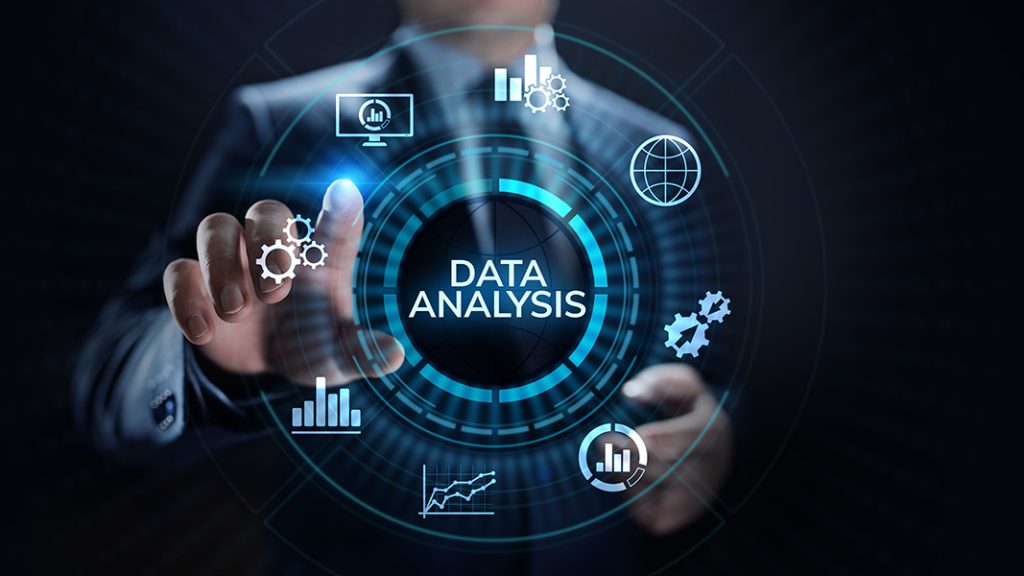
Data & Analytics (D&A) is the systematic process of examining raw data to uncover patterns, extract meaningful insights, and support data-driven decision-making across organizations. By utilizing specialized software, statistical algorithms, and engineering frameworks, D&A transforms massive, unorganized datasets into actionable business strategies.
Gathering raw metrics from internal systems like CRM software or external open data portals. Using computational techniques like regression, clustering, or time-series analysis to find trends.
Software Development is the structured, end-to-end process of conceiving, designing, coding, testing, and maintaining applications, frameworks, or other software components. It combines engineering principles, mathematical logic, and creative problem-solving to build digital tools that power everything from mobile applications to global banking infrastructure.
Applications are designed directly inside cloud systems like AWS or Azure using modular microservices. Visual development interfaces allow non-technical teams to build basic operational software quickly.


IT Staffing is the strategic business service of identifying, recruiting, and placing specialized technology professionals into temporary, contractual, or permanent roles within an organization. As technologies like AI, cloud computing, and cybersecurity advance rapidly, tech staffing agencies bridge the critical talent gap by matching highly skilled technical workers with companies facing talent shortages.
Hiring tech experts for short-term projects or defined periods. This model allows businesses to scale up or down quickly without the long-term overhead costs of full-time employees.
Managed Services is the strategic business practice of outsourcing day-to-day IT management, operations, and technical support to a third-party provider known as a Managed Service Provider (MSP). Instead of reacting to technology failures after they occur, companies use managed services to proactively monitor, secure, and optimize their digital infrastructure under a predictable subscription model.
Real-time tracking of network bandwidth, server uptime, hardware health, and connectivity issues. Automated data backups coupled with rapid recovery strategies to ensure business continuity during a system outage or cyberattack.


Corporate Training is the strategic system of upgrading employee skills, knowledge, and performance to match an organization’s business goals. Instead of viewing learning as a one-time onboarding event, modern enterprises treat continuous training as a critical tool to drive innovation, retain top talent, and maintain a competitive edge.
A hybrid framework combining independent online modules with live, interactive group sessions. This approach maximizes knowledge retention by combining the flexibility of digital learning with the accountability of live instruction.
Keystone Quantum operates around the world and offers high–quality IT services in many countries. We use our strong understanding of business, reliable methods, and the skills of experienced software experts to create top–quality solutions that deliver real benefits to companies.